







Clean Cook Stoves
Introduction to the Subsector of Clean Cook-Stoves
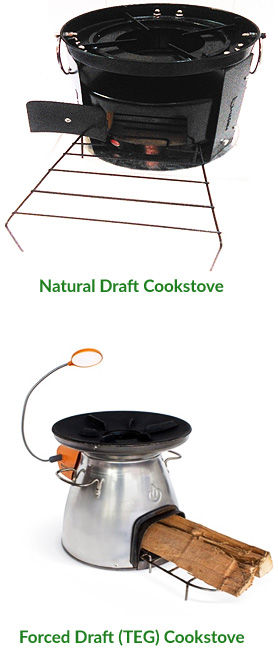
Clean cook-stoves are improved cooking devices designed to reduce harmful smoke and increase fuel efficiency compared to traditional mud stoves or open fires. In India, a large portion of rural households still use solid fuels like wood, cow dung, and crop residue for cooking, which leads to indoor air pollution and health risks, especially for women and children. Clean cook-stoves aim to make cooking safer, healthier, and more environmentally friendly by using better designs and cleaner fuels such as LPG, biogas, electricity, or improved biomass stoves.
Opportunities India is Working Towards in This Subsector
- Universal Clean Cooking Access: India is working to ensure every household has access to clean cooking energy, aligning with Sustainable Development Goals (SDGs) on health, gender equality, and clean energy.
- Electrification & Modern Fuels: With nearly 100% household electrification, there’s a push towards electric cooking solutions (induction stoves, etc.) and expanding LPG coverage.
- Women’s Empowerment: Clean cook-stoves reduce the time and health burden on women, freeing up time for education and economic activities.
- Climate & Health Benefits: Adoption of clean cook-stoves helps reduce air pollution, deforestation, and greenhouse gas emissions, supporting India’s climate commitments under the Paris Agreement.
- Innovation & Local Manufacturing: There’s a focus on developing and manufacturing efficient cook-stoves locally, creating jobs and supporting rural economies.
Initiatives Launched in India
- Pradhan Mantri Ujjwala Yojana (PMUY): Launched in 2016, this flagship scheme has provided over 80 million LPG connections to economically weaker families, aiming to replace traditional stoves with cleaner LPG cooking.
- National Efficient Cooking Programme (NECP): Launched in 2023, this program aims to distribute 2 million induction cook-stoves and 10 million energy-efficient fans nationwide, promoting electric cooking and energy savings.
- National Biomass Cookstoves Initiative (NBCI): Focuses on research, development, and deployment of improved biomass cook-stoves, with government support for testing, certification, and monitoring.
- Go Electric Campaign: Started in 2021, this campaign promotes electric cooking appliances and vehicles, leveraging India’s expanded electrification.
Projects Launched Over the Past 3 Years
- Paris Agreement Article 6 Mechanisms: In 2024, India included clean cooking initiatives as eligible projects under its climate commitments, focusing on renewable energy-based cook-stoves and large-scale adoption through government and public-private partnerships.
- Fair Climate Programme for Sustainable Household Energy: Ongoing projects in Karnataka, Maharashtra, and Odisha distribute improved cook-stoves to rural households, reducing deforestation and improving indoor air quality. These projects are certified under the Gold Standard and monitored for carbon credits.
- EESL Induction Cook-Stove Deployment: In 2023, Energy Efficiency Services Limited (EESL) began distributing 2 million induction cook-stoves nationwide, aiming to accelerate the shift to electric cooking.
Data on Growth in the Subsector (Past 3 Years)
- LPG Access: By March 2020, 85% of Indian households had access to LPG, up from 10% in 2012. However, many rural households still stack LPG with solid fuels due to refill costs.
- Induction Cook-Stoves: The NECP aims to deploy 2 million induction cook-stoves, with government-backed efficiency policies supporting adoption.
- Improved Biomass Cook-Stoves: Projects like the Fair Climate Programme have distributed thousands of improved cook-stoves in the last three years, with ongoing monitoring and certification for carbon credits.
- Health & Environmental Impact: Indoor air pollution from traditional stoves still causes over 1 million deaths annually in India, but clean cook-stove adoption is reducing exposure and improving health outcomes.
Summary Table
clean cook summary
| Aspect | Key Highlights |
| Introduction | Clean cook-stoves reduce smoke, save fuel, and improve health/environment. |
| Opportunities | Universal access, electrification, women’s empowerment, climate benefits, local innovation. |
| Initiatives | PMUY, NECP, NBCI, Go Electric Campaign. |
| Recent Projects | Paris Agreement inclusion, Fair Climate Programme, EESL induction cook-stoves. |
| Growth Data | 85% LPG access, millions of improved stoves deployed, ongoing health/environmental improvements. |