









Forestry
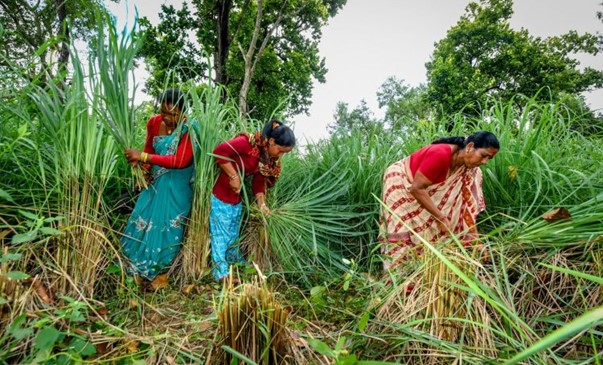
Forestry is a vital pillar of India’s environmental and socio-economic framework. Forests support biodiversity conservation, regulate water cycles, enhance carbon sequestration, and sustain the livelihoods of millions of rural and forest-dependent communities. As India pursues its climate commitments and sustainable development objectives, the forestry sector is undergoing a gradual transformation from traditional practices to more structured, science-based, and outcome-oriented approaches. Central to this transition is the development of a skilled workforce capable of managing forests sustainably while generating dignified green employment.
Skilling initiatives linked to the green economy have therefore assumed growing importance, particularly in forestry and allied activities. These initiatives aim to bridge the gap between environmental goals and employability by equipping workers with standardized, industry-relevant competencies.
Forestry as a Source of Green Employment
Forestry is inherently labour-intensive and spans a wide range of activities, including afforestation and reforestation, nursery management, forest protection, fire prevention, wildlife and biodiversity management, and the sustainable harvesting of non-timber forest produce (NTFP). Collectively, these activities form an important segment of green jobs, as they contribute directly to environmental conservation and climate mitigation.
Despite its employment potential, forestry has traditionally relied on informal labour with limited access to structured training, certification, or career progression. This has often resulted in low productivity, safety risks, and inconsistent environmental outcomes. The growing emphasis on sustainability, climate resilience, and ecosystem restoration has highlighted the need for formal skilling systems to professionalize forestry-related occupations.
The Need for Structured Skilling in Forestry
Modern forestry requires a combination of ecological knowledge, technical skills, and compliance with environmental and social safeguards. Emerging areas such as climate-resilient plantations, landscape restoration, carbon sequestration projects, geospatial monitoring, and community-based forest governance demand new competencies that go beyond conventional manual skills.
Structured skilling frameworks help define clear job roles, standardize competencies, and establish benchmarks for training and assessment. They also facilitate recognition of prior learning for experienced workers who have acquired skills informally over time. In the forestry context, this is particularly important, as a large proportion of the workforce consists of seasonal labourers, tribal communities, and local residents with deep experiential knowledge but limited formal recognition.
Institutional Support for Forestry Skill Development
At the national level, institutional mechanisms for green skill development have played an important role in integrating forestry into the broader sustainability and employment agenda. These mechanisms focus on developing occupational standards, qualification frameworks, and training curricula aligned with industry needs, government programmes, and international best practices.
In forestry, this approach has enabled the identification of key job roles across the value chain, such as forest nursery workers, plantation supervisors, forest fire management assistants, biodiversity conservation workers, and community facilitators. Each role is linked to defined skill sets covering technical knowledge, safety practices, environmental compliance, and community engagement.

Training, Certification, and Workforce Professionalization
Training programmes in forestry emphasize practical, field-based learning combined with foundational theoretical inputs. Participants are trained in areas such as soil and water conservation, nursery techniques, plantation management, use of basic tools and equipment, fire prevention measures, and sustainable harvesting methods. Attention is also given to occupational health and safety, which is often overlooked in informal forestry work.
Certification plays a critical role in improving employability and workforce mobility. Certified workers are better positioned to access employment opportunities in public forestry programmes, externally funded environmental projects, and sustainability initiatives supported by industry and civil society. Over time, certification contributes to the professionalization of forestry occupations and enhances the overall quality of forest management.
Alignment with National Climate and Development Priorities
Forestry-related skilling initiatives are closely aligned with national policies and missions focused on climate action, biodiversity conservation, and rural livelihoods. Training in afforestation, restoration, and sustainable forest management directly supports targets related to increasing forest and tree cover and strengthening carbon sinks.
In addition, forestry skilling complements rural development strategies by creating alternative and supplementary income opportunities in forest landscapes. This linkage is particularly significant in regions where agricultural productivity is limited and forest-based livelihoods play a central role in household income.
Community-Centric Approaches and Inclusive Growth
A defining feature of forestry skilling is its strong community orientation. Effective forest management depends on the active participation of local communities, especially indigenous and tribal populations. Skilling initiatives increasingly recognize the value of traditional ecological knowledge and seek to integrate it with scientific forestry practices.
Training programmes targeting community groups, self-help collectives, and local institutions help improve sustainable resource use, governance, and value addition in NTFP-based enterprises. By enabling communities to participate as skilled stakeholders rather than unorganized labour, forestry skilling contributes to social inclusion, empowerment, and long-term stewardship of forest resources.